Why Does Psoriasis Itch and What Can I Do About It?
Nov 01, 2026
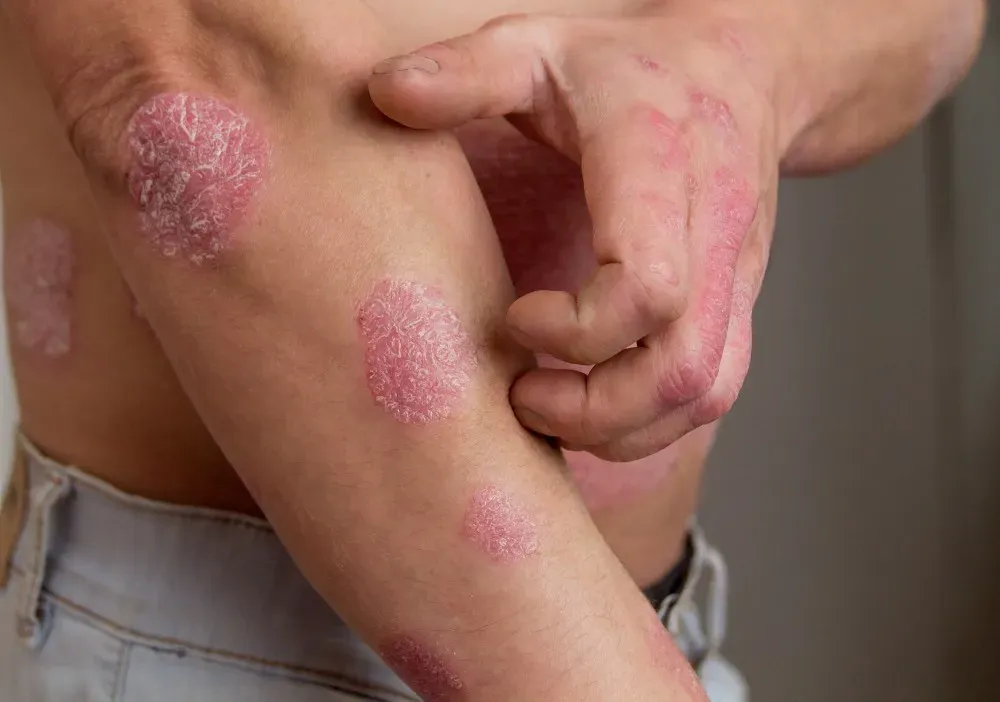
Psoriasis is both unsightly and uncomfortable. It causes raised, inflamed patches of skin covered with dry scales on your face or body, often accompanied by an inescapable, deep itch.
Patients often describe the sensation as burning, stinging, or even an internal crawling feeling
At The Dermatology Center of Worcester in Worcester, MA, our medical team helps patients calm and manage psoriasis outbreaks long-term.
Here’s what our experts want you to know about this chronic autoimmune and immune-mediated inflammatory condition that affects 8 million Americans.
The science behind your itch
The itch happens because your immune system sends rapid signals to your skin cells, telling them to reproduce in days rather than weeks. This hyperactive cellular turnover causes thick patches of scale to accumulate on the surface. At the same time, immune molecules trigger sensory nerves in the dermal layers, firing acute itch signals directly to your brain.
Between 70% and 90% of individuals with plaque psoriasis report itch as their most troublesome physical symptom.
Scratching offers a quick second of satisfaction, but it inevitably worsens the irritation and can tear delicate skin tissue. When you tear through these patches with your nails, you invite bacterial infections and trigger additional swelling, prolonging your flare-up.
Resisting the urge to scratch protects your skin barrier and stops the cycle of inflammation before it worsens. When skin is subjected to repeated friction from fingernails, it responds by forming thicker plaques, a phenomenon known as the Koebner phenomenon.
While medical therapies address the root cause, daily habits can calm irritated nerve endings and reduce skin tightness:
Press a cool, damp washcloth or an ice pack, wrapped in a soft towel, against itchy spots for 10 minutes to numb the nerve endings.
Skip thin lotions that contain alcohol or fragrance. Instead, choose heavy ointments or petroleum-based balms that seal moisture directly into dry plaques immediately after you bathe.
Hot water strips away the natural lipids your skin needs to stay supple. Keep your showers under ten minutes and use lukewarm water paired with a gentle, soap-free cleanser.
Tight synthetic materials rub against active plaques, causing friction. Wear loose clothing made from 100% cotton or bamboo to keep your body cool.
Ingredients like pramoxine hydrochloride, menthol, or low-strength hydrocortisone can dull the sensation without burning your skin.
Home remedies ease minor daily irritation, but a stubborn itch requires professional dermatologic care that targets the underlying inflammation driving rapid cell proliferation. Some of the most effective options are:
High-potency corticosteroids, synthetic vitamin D analogs, and non-steroidal creams reduce plaque thickness and silence localized nerve distress.
Controlled exposure to narrowband UVB light slows down rapid skin cell growth and suppresses localized immune activity right in the office.
For widespread plaques, oral therapies work internally to regulate immune function and calm full-body flare-ups.
These targeted injectable medications block specific inflammatory proteins that cause both visible skin scaling and severe nerve irritation beneath the skin.
For help managing psoriasis and all of your dermatological concerns, contact our office or request an appointment online.